
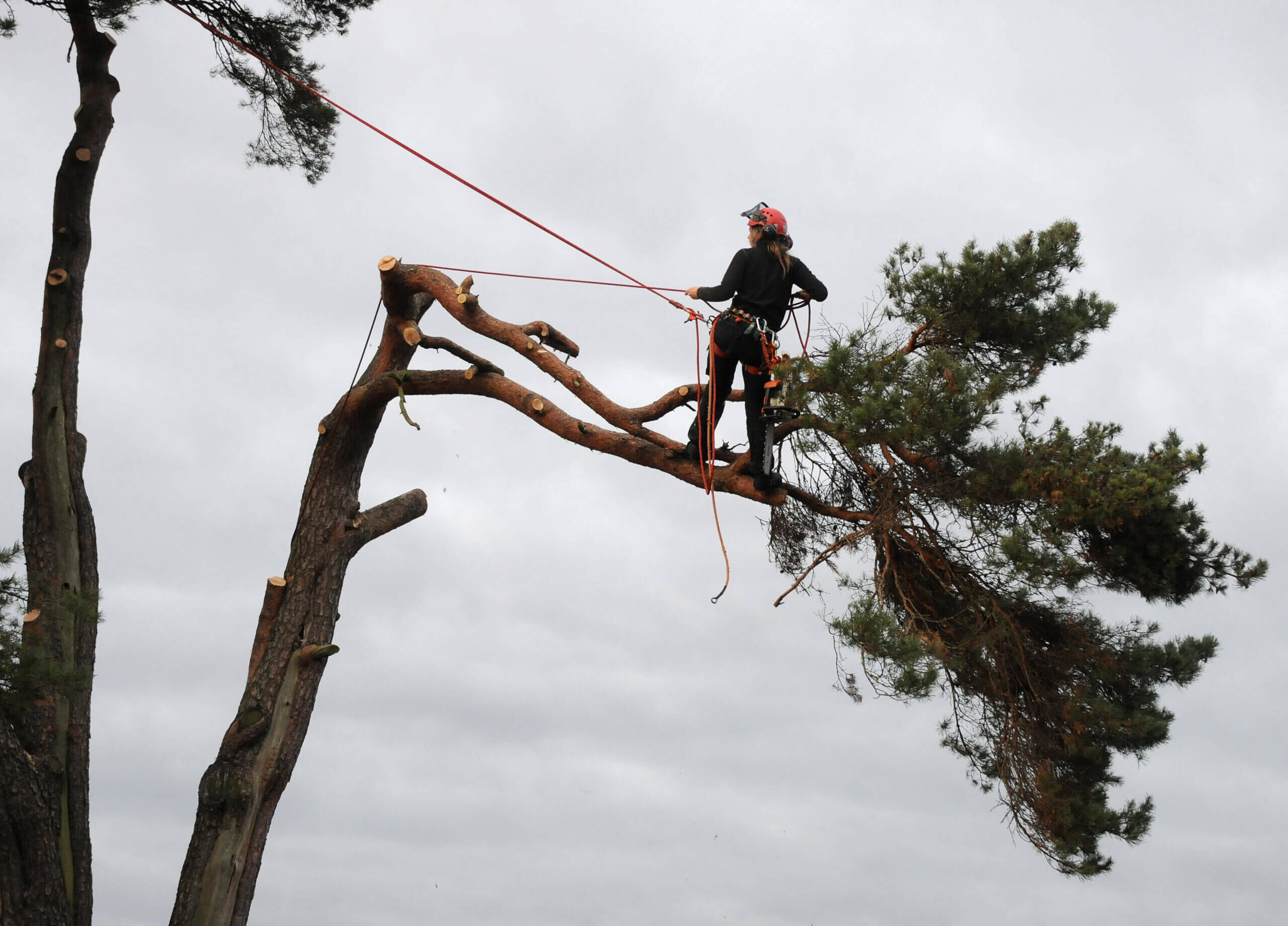
After a storm, many property owners in Sydney assume a damaged or leaning tree must be removed. In reality, removal is only required when the tree is unsafe, beyond viable recovery, or likely to fail in the near term. The safest next step is usually a prompt inspection by a qualified arborist, especially if the tree is large or close to people, homes, or power lines.
Is tree removal always necessary after storm damage in Sydney?
No. Many storm-affected trees can be made safe with pruning, cable bracing, or targeted limb removal rather than full removal. Sydney tree removal is more likely when the trunk is compromised, the root plate has shifted, or major scaffold limbs have split in a way that cannot be stabilised. To better understand when professional tree removal becomes necessary after storm damage or structural failure, learn more.
What storm damage signs suggest a tree is dangerous right now?
A tree is at higher risk when there are fresh cracks in the trunk, a split crotch, hanging limbs, or a newly exposed root plate. Soil heaving, visible roots lifting, or a tree that suddenly looks “tilted” after wind and rain can indicate partial uprooting. If a limb is suspended or tangled, it should be treated as unstable until assessed and made safe.
Does a leaning tree automatically mean it must be removed?
Not automatically. Some trees naturally grow with a lean and remain stable for decades. The concern is a new lean, a lean that is worsening, or a lean paired with root movement, cracking soil, or trunk damage.
If they notice the lean appeared after a storm, that is usually a reason to arrange an inspection quickly.
Can a storm-damaged tree be saved instead of removed?
Often, yes. An arborist may recommend weight reduction pruning, selective limb removal, or structural support systems like cabling or bracing to reduce the risk of failure. The decision typically depends on species, tree health, how much of the canopy was lost, and whether the tree’s structure and root system are still sound. For more tailored advice on assessing damage and long-term stability, consulting an arborist Sydney for tree health and safety assessments can help determine the most practical next step.
How do roots and soil conditions affect the decision?
Roots are the foundation, and storm damage is not always visible above ground. Waterlogged soils in Sydney can reduce root grip, making uprooting more likely during wind events. Signs such as soil lifting, newly formed gaps around the base, or a “rocking” feeling when the tree moves in wind can point to root plate failure, which often pushes the recommendation towards removal.
When does a damaged tree become a liability for property owners?
They may be exposed to greater risk if they ignore obvious hazards, particularly where a tree could strike neighbouring property, cars, or pedestrians. While not every defect requires removal, clear danger signs usually justify swift action such as isolating the area and arranging urgent arborist assistance. Documentation also matters, so an assessment report can be helpful if disputes arise later.
What should they do immediately after a storm if a tree looks unsafe?
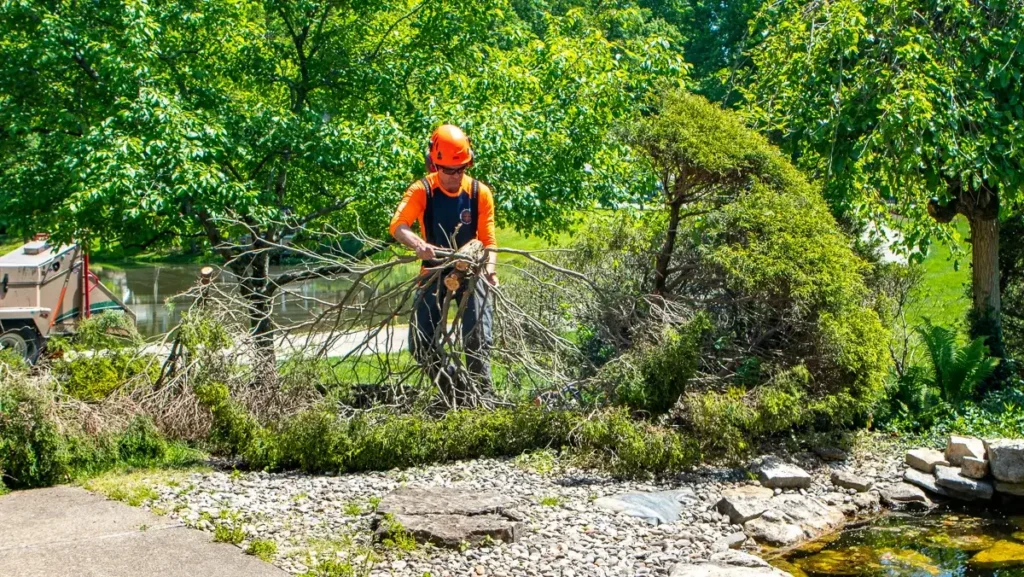
First, they should keep people away from the tree and avoid working under hanging limbs. They should not attempt to cut large branches, climb, or use a chainsaw without training and proper safety gear. If any part of the tree is touching power lines, they should treat it as live and contact the relevant utility or emergency services rather than approaching it. You may also visit https://www.safeworkaustralia.gov.au/doc/guide-managing-risks-tree-work for guide to managing the risks of tree work.
Are council approvals required for tree removal in Sydney?
Sometimes, yes. In many parts of Sydney, councils regulate pruning and removal of certain trees, including those over a specific height or trunk diameter, or trees listed as significant. Emergency works may be allowed to remove an immediate hazard, but evidence is important, such as photos, arborist notes, and time stamps, in case council confirmation is needed after the fact.
Because rules vary by local government area, they should check their council’s tree management requirements or ask an arborist who deals with local approvals regularly.
Should they get an arborist report before deciding to remove a leaning tree?
Yes, in most cases. A qualified arborist can determine whether the lean is structural, whether the roots have failed, and whether pruning or bracing could reduce risk to an acceptable level. An arborist report can also support council applications, strata decisions, insurance discussions, and neighbour communications, particularly where the tree sits close to boundaries.
How can they prevent storm-related tree failures in future?
Proactive maintenance usually reduces storm risk more effectively than reactive removal. Regular inspections, removal of deadwood, and structural pruning can reduce sail area and weak attachments. Managing pests, disease, and soil compaction also helps trees withstand wind and heavy rain. Learn more about building plant resilience to pests and disease.
For higher-risk sites, such as homes near large trees, routine arborist checks before storm season can identify defects early, when cheaper and safer options are still available.
So, is Sydney tree removal required after storm damage or leaning trees?
Only sometimes. Tree removal is typically required when the tree is unstable, structurally compromised, or likely to fail and cause damage or injury. If they are unsure, the most practical approach is to treat the tree as a potential hazard, limit access to the area, and arrange an arborist inspection to confirm whether removal, pruning, or support is the safest outcome.
FAQs (Frequently Asked Questions)
Is tree removal always necessary after storm damage in Sydney?
No, tree removal is not always necessary after storm damage in Sydney. Many trees can be made safe through pruning, cable bracing, or targeted limb removal. Removal is generally recommended only if the tree is unsafe, structurally compromised, or likely to fail soon.
What are the warning signs that a storm-damaged tree in Sydney is dangerous?
Warning signs include fresh cracks in the trunk, split crotches, hanging limbs, newly exposed or lifted root plates, soil heaving, visible root lifting, and a sudden lean after wind and rain. These indicate potential instability and require prompt assessment by a qualified arborist.
Does a leaning tree after a storm automatically need to be removed in Sydney?
Not necessarily. Some trees naturally grow with a lean and remain stable for years. However, a new or worsening lean following a storm—especially if accompanied by root movement, cracked soil, or trunk damage—warrants an urgent inspection to determine safety.
Can storm-damaged trees in Sydney be saved instead of removed?
Often yes. Depending on factors like species, health, canopy loss, and structural integrity, an arborist may recommend weight reduction pruning, selective limb removal, or installing support systems such as cabling or bracing to reduce failure risk without full removal.
When should property owners in Sydney consider removing a damaged tree after a storm?
Removal should be considered when the tree is unsafe due to compromised trunk integrity, shifted root plate, major limb splits that cannot be stabilized, or when there is clear risk of failure that could cause injury or property damage. Consulting an arborist promptly helps make this determination.
Are council approvals required for tree removal in Sydney after storm damage?
Sometimes. Many local councils regulate pruning and removal of certain trees based on size or significance. Emergency removals of immediate hazards may be permitted but require proper documentation like photos and arborist reports. Property owners should check their local council’s regulations or consult an arborist familiar with approval processes.