
Do I Need Council Approval? A 2026 Guide to Sydney’s Tree Preservation Orders (TPO)
Navigating the landscape of urban forestry in New South Wales can be a minefield for homeowners. As Sydney continues to prioritize its green canopy to combat the “urban heat island” effect, the regulations surrounding Tree Preservation Orders (TPO) and Local Environmental Plans (LEP) have become more stringent in 2026.
Before you pick up a chainsaw or hire a contractor, you must determine if your specific tree is protected. Failing to secure the correct council approval before removing or pruning a tree can lead to staggering fines, often exceeding $20,000 for residential properties. This guide provides a comprehensive framework to help you understand Sydney’s tree laws, identify exemptions, and follow the correct application pathways.
See more: Top Tree Removal Services Available in Hills District
What is a Tree Preservation Order (TPO)?
A Tree Preservation Order is a legal instrument used by local government authorities to protect specific trees or entire areas of vegetation. In 2026, most Sydney councils have integrated these into their Development Control Plans (DCP).
The primary goal of a TPO is to manage the urban forest by ensuring that trees are not removed without a valid reason, such as being a safety hazard, being dead or dying, or causing significant structural damage to a permanent dwelling.
The Shift in 2026 Regulations
Recent amendments to NSW planning state policies have placed a higher “valuation” on the ecosystem services trees provide. This means that “blocking a view” or “leaf litter in the pool” are no longer considered valid grounds for removal in almost any Sydney municipality.
The General Rule: When is Approval Mandatory?
In most Sydney council areas, you generally need to lodge an application if the tree meets any of the following physical criteria:
- Height: The tree is taller than 3 to 5 meters (varies by council).
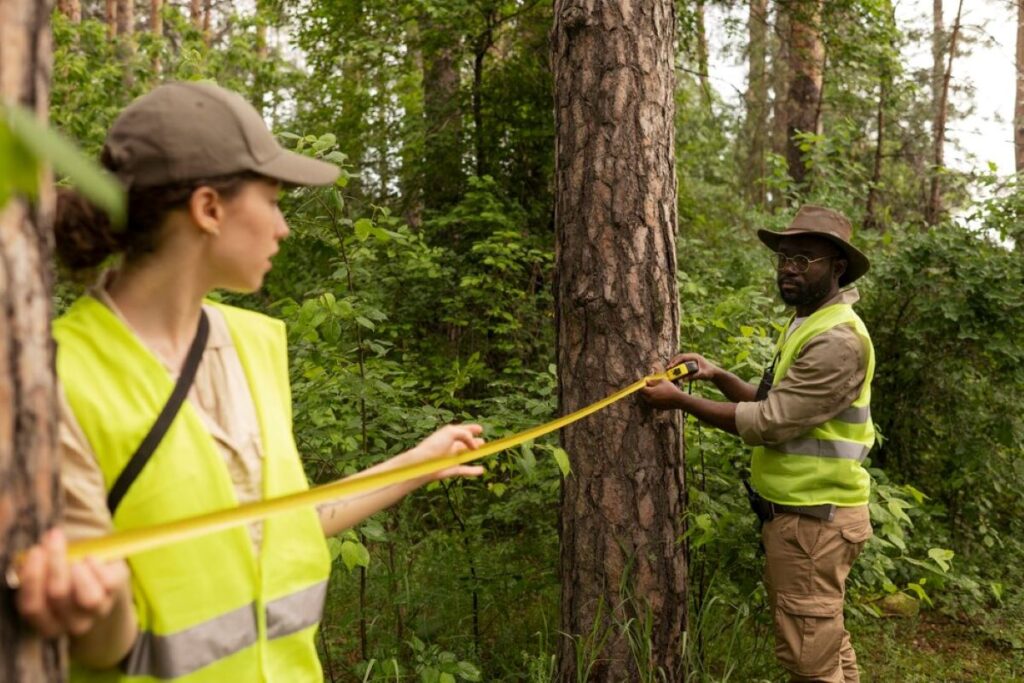
- Trunk Diameter: The trunk is wider than 100mm to 300mm when measured at 1.4 meters above the ground (DBH – Diameter at Breast Height).
- Canopy Spread: The crown of the tree exceeds a certain width, usually 3 meters.
Common Exemptions (No Permit Required)
While laws are strict, there are specific scenarios where you can proceed without a formal permit:
- Noxious Weeds: Species listed under the Biosecurity Act (e.g., Privet, Cocos Palms in some areas).
- Distance to Dwellings: Trees within 3 meters of an existing approved building (excluding fences or sheds).
- The 10/50 Rule: If you are in a designated Bushfire Prone Area, you may be able to clear trees within 10 meters of your home.
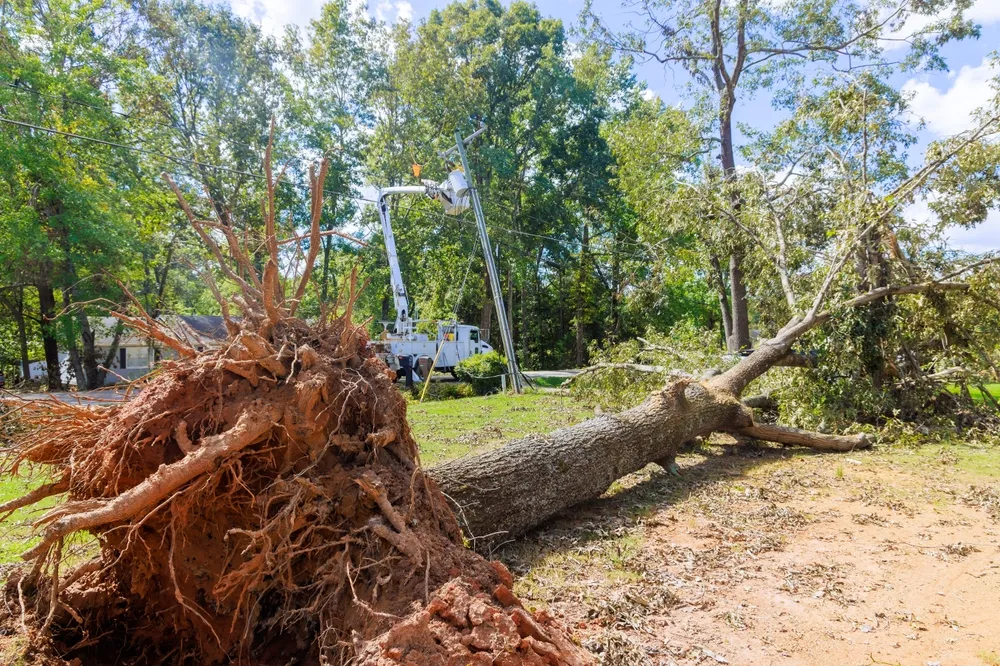
- Immediate Danger: If a tree is split or uprooted following a storm and poses an immediate threat to life or property. (Note: Always take photos and keep an arborist’s report as evidence).
2026 Council Checklist: Northern Beaches, City of Sydney, & Canterbury-Bankstown
Different councils have different “trigger points” for approval. Below is a snapshot of the current requirements for three of Sydney’s most active regions.
| Council Area | Height Trigger | Common Exempt Species | Key Requirement |
| Northern Beaches | 5 Meters | Palms, Citrus, Willows | Requires a “Tree Permit” or “Development Consent.” |
| City of Sydney | 3 Meters | Liquidambar (some cases), Fruit trees | Strict “Canopy Replacement” policy. |
| Canterbury-Bankstown | 3 Meters | Privet, African Olive | Often requires a Level 5 Arborist report for any native species. |
Northern Beaches Council Focus
The Northern Beaches is particularly protective of its canopy. You will almost certainly need an application for any endemic species like Angophoras or Spotted Gums. Their 2026 digital portal now requires GPS-tagged photos for all online submissions.
City of Sydney Focus
In the high-density inner city, the focus is on the “Urban Ecology.” If your tree provides a habitat for local fauna, the council may deny removal even if the tree is causing minor driveway cracking. They often suggest “Root Barriers” as an alternative to removal.
Canterbury-Bankstown Focus
This region has strict rules regarding “Significant Trees.” Even if a tree is on your private property, if it is listed on the Significant Tree Register, the approval process involves a much higher level of scrutiny and potential public notification.
Step-by-Step Process for Tree Removal Approval
If you’ve determined that your tree is not exempt, follow this framework to ensure a smooth application process and avoid “Request for Information” (RFI) delays from the council.
1. Consult a Qualified Arborist
Before filing paperwork, hire an AQF Level 5 Arborist. They will provide a Preliminary Tree Assessment. Their professional opinion carries significant weight with council tree officers.
2. Check for Overlays
Visit the NSW Planning Portal to see if your land is subject to:
- Heritage Conservation Orders
- Biodiversity Overlays
- Aboriginal Cultural Heritage protections
3. Lodge the Application
Submit your application through your local council’s website or the NSW Planning Portal. You will typically need to pay an application fee (averaging $150–$350 in 2026).
4. Site Inspection
A Council Tree Officer will visit your property. Ensure the tree is clearly marked (e.g., with a ribbon) and that there is clear access to the backyard.
5. The Decision (Notice of Determination)
If approved, you will receive a permit with conditions. A common condition is the “Offset Planting Rule,” which requires you to plant a specific number of replacement trees of a certain size within 24 months.
Common Mistakes to Avoid
- Pruning Too Much: Many homeowners think they only need a permit for removal. However, “lopping” or “topping” a tree by more than 10-20% of its canopy usually requires a permit.
- Relying on “Old” Advice: TPOs change. A rule that applied to your neighbor two years ago may have been updated in the 2025/2026 council cycle.
- Starting Before the Permit Arrives: Verbal “okay” from a council worker over the phone is not a legal permit. Wait for the written Notice of Determination.
Internal Linking & Authority Signals
- Internal Link Suggestion: [Understanding the Cost of Tree Removal in Sydney 2026]
- Internal Link Suggestion: [How to Hire a Level 5 Arborist: A Homeowner’s Checklist]
- External Reference Recommendation: Refer to the NSW Biodiversity Conservation Act 2016 for statewide vegetation regulations.
- External Reference Recommendation: Check the Local Government Association of NSW (LGNSW) for updates on council planning powers.
FAQ: Sydney Tree Preservation Orders
Does the 10/50 bushfire rule apply in Sydney?
Yes, but only in specific zones identified by the Rural Fire Service (RFS). You must check the RFS online tool before clearing, as “Bushfire Prone” is a legal designation, not a personal opinion.
Can I remove a tree if it’s damaging my pipes?
Usually, yes, but you must provide evidence. This often requires a plumber’s CCTV footage showing the roots inside the pipes. Councils will often suggest relining the pipes before they agree to the removal of a healthy tree.
What happens if I remove a tree without a permit?
Under the Environmental Planning and Assessment Act, fines can be issued via Penalty Infringement Notices (on-the-spot) or through the Land and Environment Court for more serious breaches.
How long does council approval take in 2026?
Most Sydney councils aim for a 21 to 28-day turnaround for standard tree permits. However, if the tree is part of a larger Development Application (DA), it can take several months.
Are dead trees exempt?
In most cases, yes, but you still need to notify the council 48 hours to 7 days in advance. You should also have an arborist’s letter confirming the tree is dead to protect yourself from future complaints.
Conclusion: Act With Caution
Securing council approval for tree works in Sydney is no longer a mere formality—it is a critical legal step in property maintenance. By understanding your local Tree Preservation Order, checking the 2026 checklists for your specific council, and engaging a professional arborist, you can manage your land responsibly while avoiding the stress of heavy fines.
Next Step: Check your local council’s interactive “Tree Management Map” to see if your property is in a protected vegetation zone before requesting a quote from a tree lopper.